



Extreme dehydration for a long period of time can be extremely damaging to our body and can even be fatal. Be sure to stay hydrated throughout the day, and if https://archivohistoricoarmilla.es/2023/11/29/methadone-purpose-uses-side-effects-and-risks/ we’re going to be drinking alcohol, be sure to include water whenever possible. Since alcohol travels through the bloodstream, it can travel to other areas of our body including the pituitary gland in our brain. The pituitary gland is responsible for regulating our growth, metabolism, and reproduction by creating and regulating hormones.
Does Alcohol Cause Kidney Failure by Worsening Other Health Conditions?
The impact of temperature on our bodies is substantial; cold beverages can shock the sinus passages, inciting a sneezing response. Conversely, heated drinks might have more of a soothing effect on your throat and sinuses. If you find yourself sneezing more often with certain drinks, consider the temperature at which you’re consuming them as a potential factor. People who have vestibular migraine can experience dizziness and vertigo, even when they don’t have a headache.
- This is especially true for individuals with pre-existing kidney conditions.
- Quitting alcohol can help reduce the depression and anxiety that alcohol can bring and significantly improve your situation in life, increasing your overall happiness.
- At that point, it’s worth asking, “Can drinking cause hair loss,” or is something else contributing?
- But fatigue makes it difficult for you to get up in the morning and make it through your day.
- The next-day combo of alcohol effects plus morning caffeine is a common setup for dizziness and a racing heart feeling.
Days 11–14: Decide what your body likes
It’s important to drink responsibly to protect kidney health. Alcohol has diuretic properties, which means that even small amounts can lead to dehydration and electrolyte imbalances. Rehydrating with plenty of fluids and focusing on electrolytes helps support proper fluid balance and may reduce the unpleasant aftereffects of alcohol consumption. Another factor contributing to dehydration from alcohol’s diuretic effect is the osmotic impact of alcohol itself. Alcohol is an osmotic diuretic, meaning it increases the concentration of solutes in the kidneys’ tubules, which draws water out of the body.
Drink Less and Thrive With Reframe!

You can often treat white tongue at home with simple habits. These steps target bacterial buildup, dryness, and minor fungal does wine dehydrate you overgrowth. Order a full blood count, B12, ferritin, and folate if the tongue stays white for more than two weeks. Two benign tongue conditions may answer why is my tongue white. Geographic tongue shows map-like red patches with irregular white borders.
It can mean lightheadedness, feeling faint, feeling off-balance, or a spinning sensation. It’s a stimulant that changes how your nervous system and circulation behave for a few hours. That can be a non-issue for many people, and a clear trigger for others. It’s probable that a cocktail such as a vodka and soda is less dehydrating than a straight shot of vodka. One glass of liquor drunk slowly over the course of an evening will be less dehydrating than having several beers or glasses of wine during the same time frame. We specialize in compassionate, evidence-based care tailored to your needs.
Specific dry mouth treatment depends on the underlying cause. For instance, if your provider suspects a medication is causing dry mouth, they’ll see if they can adjust your dosage. Or you might be able to switch to another medication altogether.
- Focus on bland, easily digestible foods like bananas, rice, applesauce, and toast (BRAT diet).
- A disorder of your central nervous system might be suspected in the development of serious headaches.
- Drinking water or other non-alcoholic beverages can help replenish lost fluids and dilute the concentration of alcohol in the bloodstream.
These substances include sulfites, histamines, and even the grains or fruits used in the fermentation process. If you’re sneezing after wine, sulfites could be the culprits. Many different conditions, including ear infections and low blood sugar, can make you feel both dizzy and tired. Sometimes these symptoms are temporary, or they might come and go. Cleveland Clinic’s primary care providers offer lifelong medical care.
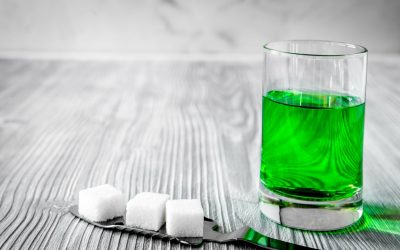
Can you stay ahead of dehydration while drinking alcohol?
When the balance is off, even by a small amount, it can make you sick. Manufacturers often fortify breakfast cereals, milk substitutes, and nutritional yeast with vitamin B12. Eating these foods can supplement a person’s daily intake, particularly if they do not eat meat or dairy. Vitamin B12 is important for brain function and creating new RBCs.
Blood pressure shifts and standing dizziness
- Dehydration occurs when you don’t have enough fluid in your body.
- Overall, scientific consensus does not support beer as a kidney cleanser but rather highlights potential risks when consumed excessively.
- Saliva production decreases, which not only causes discomfort but also impairs the mouth’s ability to neutralize acids and enzymes, potentially leading to oral health issues.
There are several types of headaches, and tension headaches are the most common. While most headaches aren’t dangerous, certain types can be a sign of a serious underlying condition. Sneezing after consuming alcohol can seem like an odd reaction, yet for some people, it’s an all-too-familiar experience.
Irregular heart rhythms
A doctor can help treat heart rhythm problems with drugs like blood thinners or blood pressure medications. They may recommend avoiding substances like caffeine, alcohol (if you drink), and cold medications, as these tend to affect your heart rhythm. They can affect your sleep, your exercise routine and your general quality of life.
Over time, this can lead to reduced kidney efficiency and potential damage rather than providing any health benefits. Beer contains alcohol, which acts as a diuretic and causes increased urination. Dehydration puts extra stress on the kidneys, forcing them to work harder and potentially damaging them over time. Drug rehabilitation Long-term excessive alcohol use increases risks for chronic kidney disease (CKD) and acute injury episodes requiring medical attention.
Additionally, alcohol-related high blood pressure stresses vessels further, raising the likelihood of clot-triggering plaque rupture. In early liver disease stages, there may be a paradoxical increased risk of thrombosis due to imbalance favoring coagulation despite overall impaired liver function. Later stages bring bleeding risks from reduced factor synthesis. Understanding how alcohol influences this delicate balance requires a look at how drinking affects blood components, vessel walls, and clotting factors.